10 Sep 2026
How Digital Platforms Have Transformed Traditional Slot Rewards Into Interactive Experiences
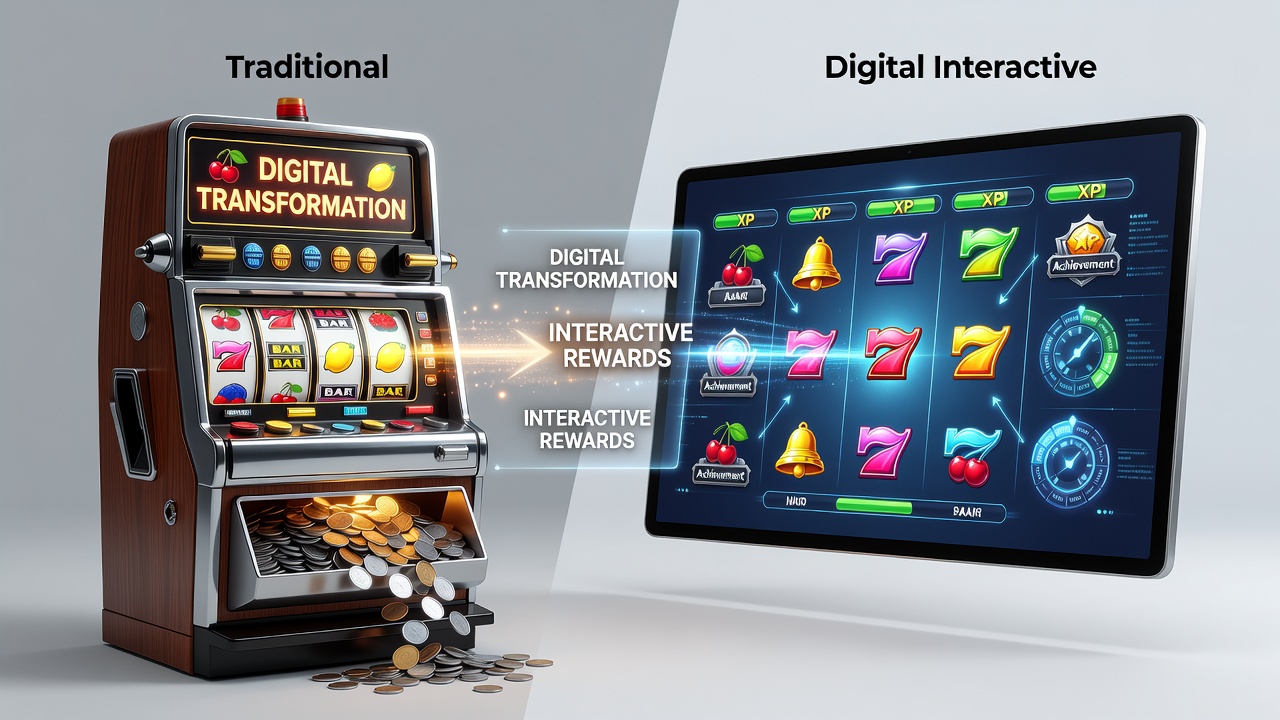
Traditional slot rewards once consisted of straightforward coin payouts and basic loyalty points that players collected at physical machines, yet digital platforms have shifted these systems into layered experiences that incorporate real-time feedback, achievement systems, and social connectivity while maintaining the core mechanics of random number generation. Research from industry reports indicates that online operators began integrating progress bars, tiered challenges, and narrative elements around 2015, and by September 2026 those features had become standard across major platforms as developers responded to data showing higher session retention when rewards felt participatory rather than purely transactional.
From Static Payouts to Layered Engagement Systems
Early slot machines delivered fixed jackpots or simple free-play vouchers that reset after each session, but platforms now track player behavior across multiple games and deliver personalized reward structures that update dynamically based on time spent, bet patterns, and milestone completions. Observers note that this change emerged as operators adopted cloud-based analytics tools, which allow reward engines to adjust bonus multipliers or unlock new game modes mid-session without requiring players to leave the interface. Data from regulatory filings in New Jersey shows that interactive reward uptake increased steadily between 2020 and 2025, coinciding with the rollout of mobile-first design standards that made continuous engagement technically feasible on handheld devices.
Gamification Mechanics in Practice
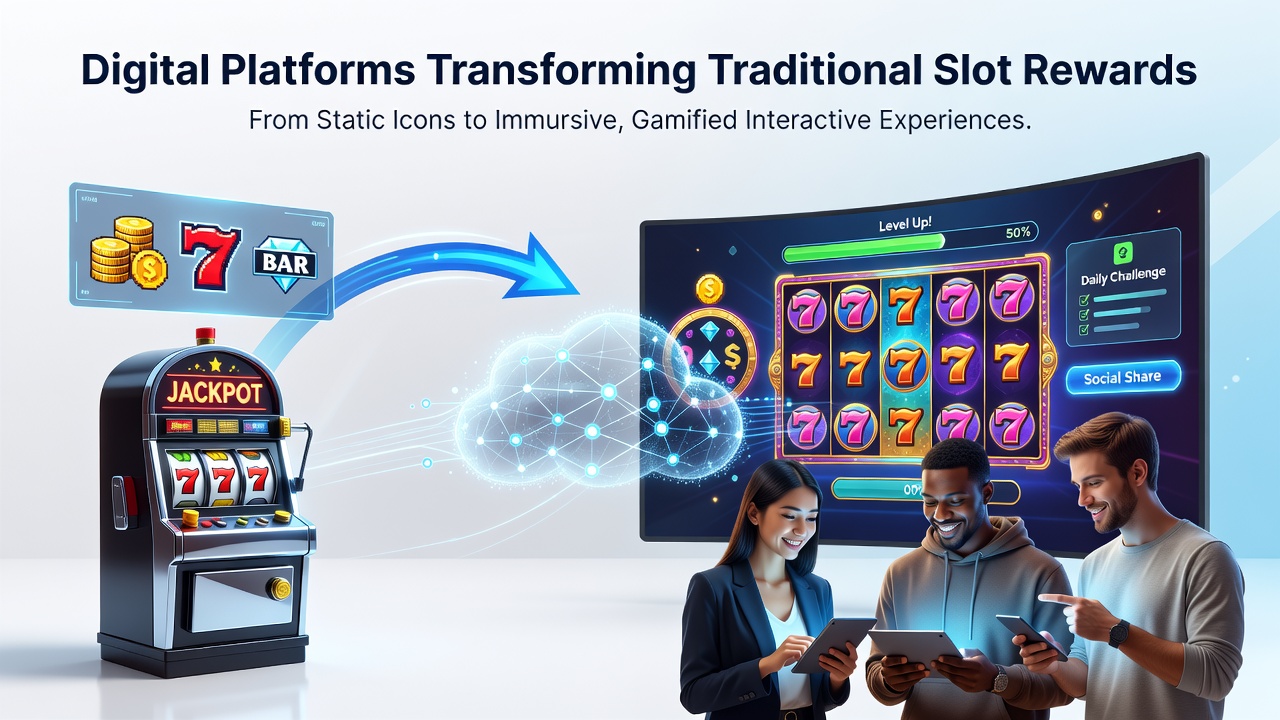
Many platforms now embed quest-style objectives directly into slot interfaces, where completing a set number of spins on designated titles unlocks visual upgrades or temporary multipliers, while progress remains visible through persistent dashboards that carry across devices. Those who've examined user logs report that these systems frequently incorporate daily login streaks and community leaderboards, features that mirror mechanics found in non-gambling entertainment apps yet operate within strict wagering parameters enforced by game servers. The result is a reward environment where traditional cash-back offers coexist with status symbols such as avatar customizations and exclusive tournament entries that players earn through consistent interaction rather than single large wins alone.
Personalization and Real-Time Adaptation
Algorithms analyze individual play histories to surface tailored offers, for instance presenting a user who favors high-volatility titles with targeted free-round bundles timed to their typical session length, while another player receives smaller, more frequent rewards calibrated to shorter visits. Studies compiled by academic researchers at institutions tracking digital entertainment trends reveal that such segmentation relies on anonymized datasets aggregated from millions of sessions, allowing platforms to test reward variants in controlled A/B environments before full deployment. This approach replaced earlier blanket promotions that treated all accounts identically and has been credited with reducing player churn according to aggregated figures released by North American operators.
Social and Multiplayer Dimensions
Digital environments have added communal layers absent from standalone machines, including shared jackpot pools that grow through collective contributions and cooperative challenges where groups advance toward common goals to release pooled bonuses. Platforms in regions such as Australia have documented increased participation in these formats, with data indicating that players who join social reward circles tend to extend their sessions compared with those using isolated modes. Regulatory bodies in multiple jurisdictions now require clear disclosure of how pooled funds are distributed, ensuring transparency around the mechanics that convert individual spins into shared outcomes visible on real-time leaderboards and chat-integrated interfaces.
Technological Enablers
Advances in HTML5 rendering, low-latency streaming, and secure API connections between game clients and backend servers made it possible to deliver animated reward sequences and instant notifications without interrupting core gameplay. Operators have also incorporated augmented-reality overlays on select titles, allowing users to project slot elements into their physical surroundings via device cameras, an innovation that further blurs the boundary between traditional reel outcomes and immersive feedback. Figures released by Canadian provincial regulators highlight steady infrastructure investment in these capabilities through 2025, supporting the broader migration of reward delivery from static ledgers to dynamic, player-responsive ecosystems.
Regulatory and Industry Context
Gaming control agencies in the United States and Europe have updated compliance frameworks to address the new reward structures, requiring operators to maintain audit trails for every personalized offer and to prevent reward mechanics from influencing game outcome probabilities. Industry associations such as the American Gaming Association have published guidelines on responsible integration of interactive features, emphasizing clear communication of terms so players understand how achievements translate into actual value. Meanwhile, reports from Australian research centers document ongoing monitoring of how these systems affect play duration and expenditure patterns across different demographic groups.
Conclusion
Digital platforms have converted slot rewards from isolated payout events into interconnected experiences that blend progression tracking, social interaction, and adaptive personalization, all while operating under evolving regulatory oversight. The transition, documented across multiple jurisdictions through 2026, reflects broader shifts in how entertainment software delivers value to users, with slot environments serving as one visible example of this pattern. Continued refinement of these systems will likely depend on further advances in data analytics and cross-platform compatibility, alongside sustained attention from oversight bodies to maintain fairness and transparency in reward distribution.