8 Oct 2026
Regulatory Influences Shaping Bonus Structures Across International Digital Gaming Markets

Regulatory frameworks in digital gaming markets determine how operators design bonus structures, from deposit matches to loyalty rewards, and these rules vary sharply by jurisdiction. Governments and licensing bodies impose caps on bonus values, wagering requirements, and eligibility terms to protect consumers while maintaining market stability, which forces platforms to adapt their promotional strategies accordingly.
North American Licensing Models and Bonus Caps
State-level authorities in the United States set distinct parameters that shape bonus offerings in online casinos and sportsbooks, with New Jersey and Pennsylvania requiring clear disclosure of wagering multipliers and game contribution rates before any promotion launches. Data from the New Jersey Division of Gaming Enforcement shows that bonus caps tied to average player deposits keep promotional values within 10 to 20 percent of account funding limits in licensed operations. Canadian provinces apply similar oversight through provincial gaming corporations, where operators must align bonus structures with responsible gaming limits that restrict the frequency of reload offers and restrict maximum bonus amounts based on verified player profiles.
European Variations in Wagering and Eligibility Rules
Across the European Union, member states enforce differing standards that affect how digital platforms structure welcome bonuses and ongoing promotions, with Malta and Sweden requiring bonus funds to carry separate wagering thresholds that cannot exceed 35 times the combined deposit and bonus total. Observers note that these requirements push operators toward segmented bonus tiers, where high-value players receive customized offers that comply with local loss-limit mandates. Research from the European Gaming and Betting Association indicates that cross-border platforms adjust bonus expiry periods to meet the shortest regulatory window in any target market, often setting 30-day validity periods as a baseline.
Asia-Pacific Regulatory Pressures
Australian and Japanese regulators have introduced updated guidelines in recent years that limit bonus structures tied to high-volatility games, requiring operators to display contribution percentages for each title within promotional terms. Figures from the Australian Communications and Media Authority reveal that platforms operating in licensed markets reduced maximum bonus percentages from 200 percent to 100 percent on average between 2023 and 2025 to align with new consumer protection thresholds. In October 2026, several Australian states plan to enforce additional rules on bonus stacking, which will prevent players from combining multiple offers within a single 24-hour period and require identity verification before any reward activates.
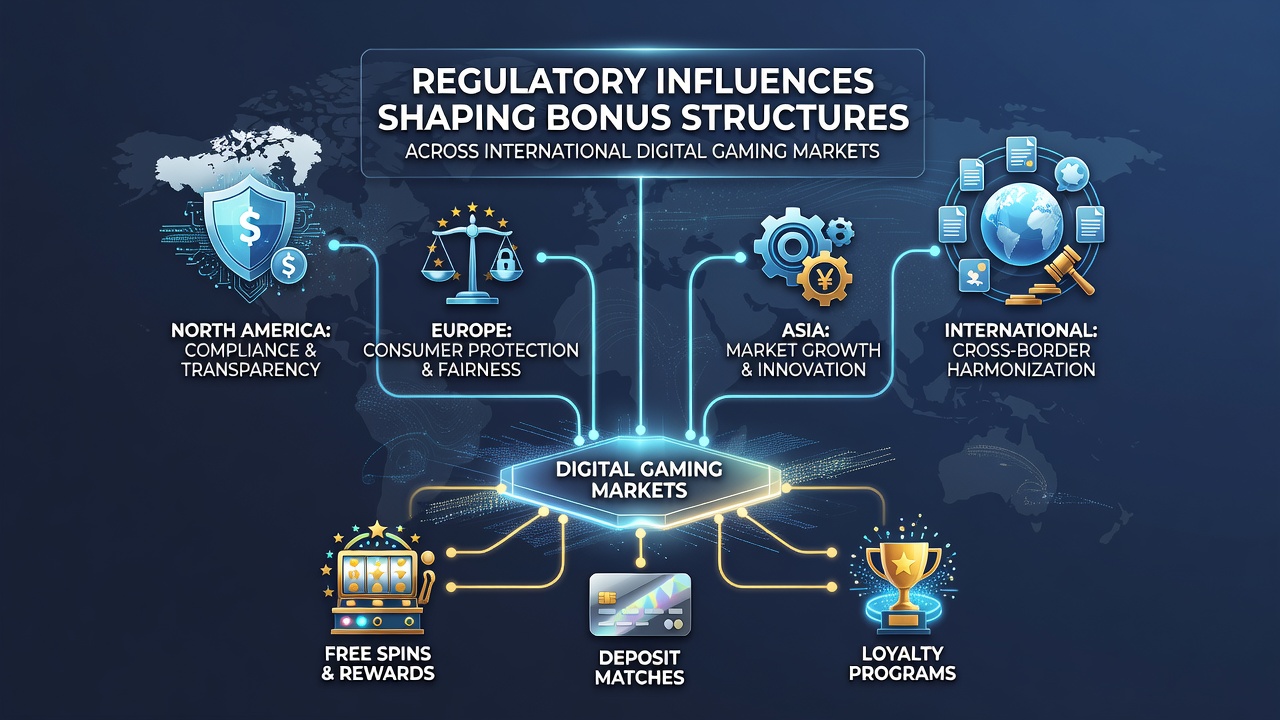
Those who track these changes see operators shifting toward non-cashable bonuses and free-play credits that carry built-in loss caps, a direct response to mandates that prioritize player fund protection over aggressive marketing tactics.
Impact on Platform Design and Player Segmentation
Operators respond to these layered rules by building modular bonus engines that automatically adjust terms based on the player's registered jurisdiction, which reduces compliance risk while preserving competitive appeal. Studies from university research groups in gaming law have documented how platforms segment bonus eligibility by risk profile, applying stricter wagering multipliers to players from jurisdictions with tighter loss-limit rules. This approach allows operators to maintain promotional volume without violating any single regulatory standard, though it increases backend complexity and requires ongoing updates whenever new rules take effect.
Emerging Trends in 2026 and Beyond
Global coordination efforts among regulatory bodies continue to influence bonus structures, with shared data standards emerging that require operators to report bonus redemption rates and average player losses across borders. Platforms that serve multiple markets now embed compliance checks directly into their reward systems, automatically flagging promotions that exceed regional caps before they reach users. These adaptations demonstrate how regulatory environments shape not only the size and frequency of bonuses but also the technical infrastructure that delivers them.
Conclusion
Regulatory influences across international digital gaming markets create a patchwork of requirements that directly determine bonus structures, from value caps and wagering thresholds to eligibility verification and expiry rules. Operators navigate these constraints by developing flexible systems that respond to jurisdiction-specific mandates, ensuring promotions remain both competitive and compliant. As new rules take effect in October 2026 and beyond, platforms will continue refining their approaches to align with evolving standards while maintaining operational consistency across borders.