24 Sep 2026
Tracing Player Behavior Patterns That Shape Customized Free Spin Reward Structures in Digital Casinos

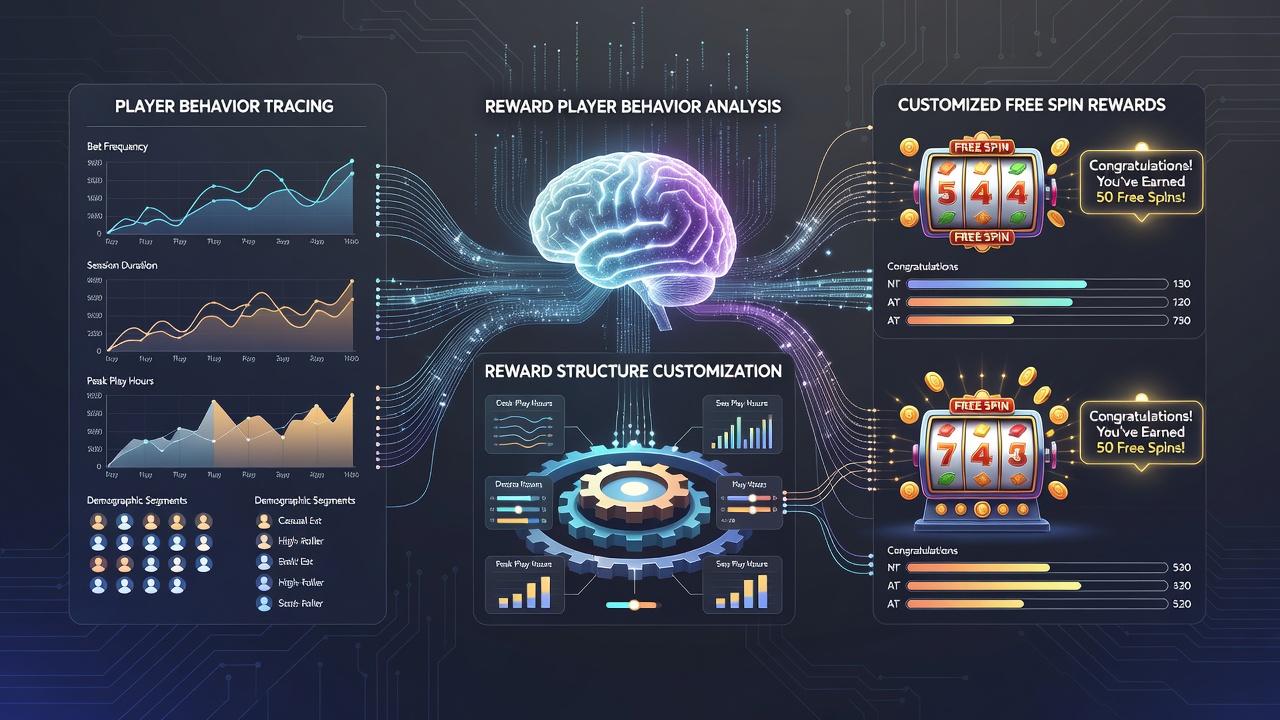
Digital casino platforms collect extensive datasets on player interactions with slot games, including metrics such as average spins per session, bet size variations, and time intervals between logins, which then feed into algorithms that generate individualized free spin offers. These systems record sequences of wins and losses alongside game theme preferences, allowing operators to adjust reward parameters like spin quantities or eligible titles based on observed habits. Researchers have documented how continuous monitoring of these variables leads to reward structures that align with specific user profiles rather than generic promotions distributed across all accounts.
Data Collection and Analysis Frameworks
Operators deploy tracking tools that log every reel rotation and feature activation while categorizing sessions by duration and intensity, and this information flows into centralized databases that apply statistical models to identify clusters of similar behavior. For instance, one group of accounts might show repeated high-frequency spins on progressive jackpot slots during evening hours, whereas another set demonstrates longer sessions on classic three-reel games with smaller, consistent wagers. By September 2026, several major platforms had incorporated real-time processing layers that update player segments daily, enabling rapid recalibration of free spin eligibility criteria without manual intervention.
Pattern recognition extends to device usage and navigation paths through the lobby interface, where analysts note whether users favor mobile portrait mode or desktop landscape layouts during reward redemption. Data compiled by the American Gaming Association indicates that cross-referencing these technical details with financial transaction histories produces more precise targeting for bonus structures, reducing instances where offers go unclaimed. External variables such as regional time zones and promotional calendar events also enter the models, since players in different jurisdictions exhibit distinct login rhythms that influence when free spin packages deliver maximum uptake.
Identified Behavior Patterns and Their Influence
Studies of transaction logs reveal recurring sequences where players increase stake sizes following a series of small wins, prompting systems to attach free spin multipliers to those same games in subsequent offers. Conversely, accounts displaying prolonged dry spells receive higher quantities of spins on lower-volatility titles to sustain engagement. Observers note that loyalty metrics, measured through cumulative deposits and withdrawal frequencies, further refine these calculations, so high-value segments receive earlier access to newly released slot content paired with free spin bundles.
Seasonal fluctuations appear in the datasets as well, with elevated activity around major sporting events or holiday periods correlating to adjusted reward cadences. Platforms segment users into cohorts based on these temporal patterns, then test variations in spin allocation and wagering requirements across control groups before full rollout. According to the Australian Communications and Media Authority, such A/B testing protocols have become standard practice for ensuring compliance while optimizing redemption rates across diverse player bases.
Implementation of Customized Reward Structures
Once patterns stabilize within the models, automated systems assign free spin packages that match the volatility tolerance and preferred session length of each cohort. A player who consistently completes 200 spins before logging off might receive batches of 50 spins distributed over four days, whereas shorter-session users obtain larger single allocations. Game selection within the rewards draws from historical play data, prioritizing titles already familiar to the account while occasionally introducing adjacent themes that share similar mathematical profiles.
Threshold triggers activate additional layers, such as granting extra spins after a predetermined number of deposits within a calendar month or following achievement of specific return-to-player milestones. These conditional structures rely on continuous validation against live data streams to prevent mismatches between predicted and actual behavior. Integration with customer relationship management platforms allows operators to layer messaging that highlights the personalized nature of each offer without revealing the underlying algorithmic logic.
Regulatory and Industry Context
Regulatory frameworks in multiple jurisdictions require transparency around how behavioral data informs bonus terms, prompting operators to maintain audit trails that document the logic paths from raw logs to final reward assignments. Industry groups emphasize responsible implementation, noting that customized structures must still adhere to uniform standards for wagering requirements and expiry periods across all user segments. As of September 2026, several platforms reported expanded use of third-party verification tools that cross-check customization outputs against regulatory benchmarks before deployment.
Conclusion
Player behavior tracing has evolved into a core operational component for digital casinos seeking to align free spin rewards with documented interaction histories. The resulting structures reflect aggregated patterns across spin frequency, stake progression, and session timing, supported by analytical frameworks that update continuously. Continued refinement of these methods depends on integration of new data sources and adherence to oversight standards that govern personalized promotions.